







Search Results for: Semi-Washed (Pulped Natural)
Brazilian Pulped Natural Processing Explained: The Pulped Natural Method and Its Similarities and Differences with Costa Rican Honey Processing
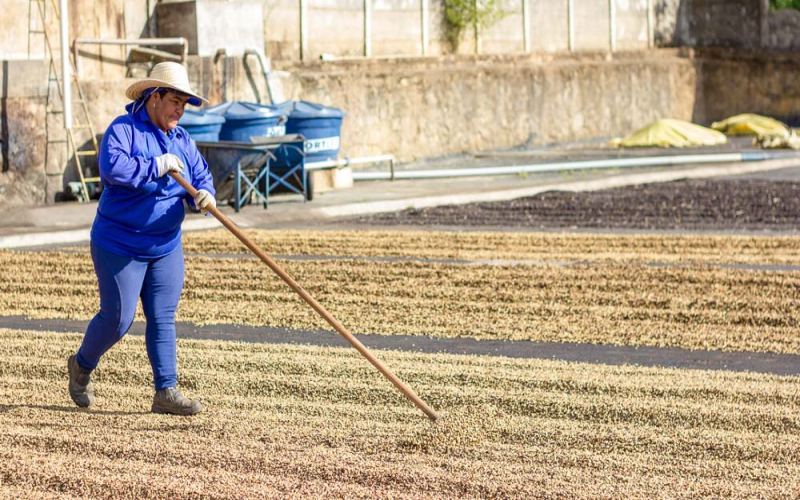
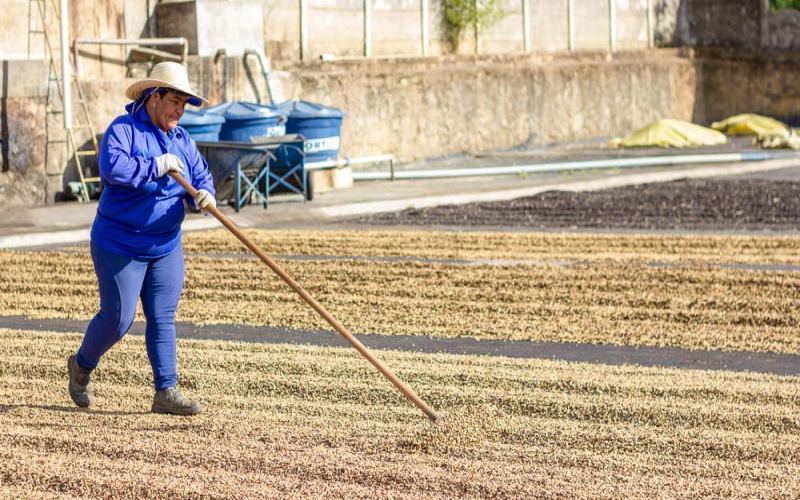
Among the many ways of processing green coffee, natural and washed have long been familiar to most people, while terms like semi-natural and semi-washed often cause confusion. In fact, semi-natural and semi-washed refer to the same process, whose accurate name is Pulped Natural. This processing method was born in Brazil in 1990, a product of local adaptation to conditions of scarce water resources. It retains the step of washed processing that removes the skin and pulp, while also relying on a short soak-fermentation followed by sun-drying with residual mucilage, thereby balancing water conservation with quality stability. In this article, Front Street Coffee will systematically sort out the origin of pulped natural, its specific process, and its influence on coffee flavor, and further explore how Costa Rican honey processing draws on this technique and develops its own characteristics, while illustrating with specific products such as Front Street Coffee Brazil Cerrado. [more…]
A Complete Guide to Coffee Processing Methods: Differences Between Natural, Washed, and Pulped Natural
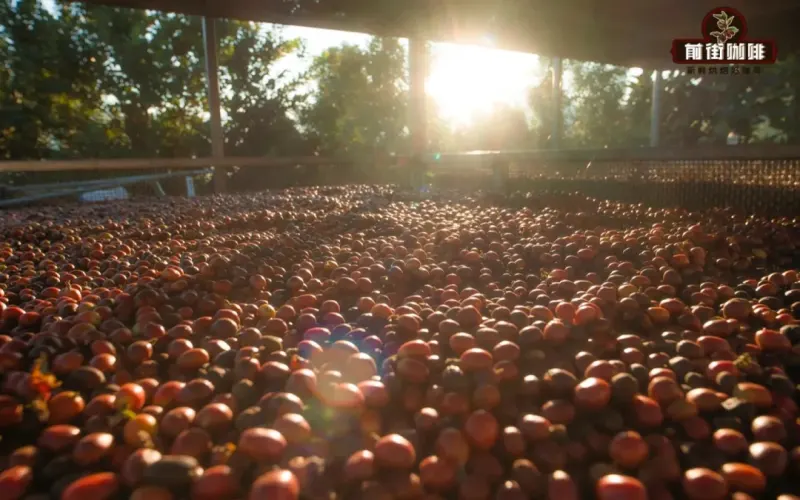
The flavor of coffee depends not only on origin and roasting—the processing method also plays a key role. As the oldest processing technique, the natural process uses sunlight and air to dry the fruit. The washed process, invented by the Dutch in the 18th century, removes the mucilage by soaking in water, resulting in a clean, bright cup. So what exactly are semi-natural, semi-washed, pulped natural, and pulped natural, which fall somewhere in between? They actually all refer to the same processing method, created by Brazil to suit local conditions, balancing cleanliness and water conservation. This article will systematically sort out the origins, procedures, and differences of these processing methods, analyze the subtle distinctions between honey processing and pulped natural, and finally share the brewing and flavor notes of Front Street Coffee's Brazil Cerrado semi-natural. [more…]
Coffee Processing Methods | Wet-Hulled, Semi-Washed, Honey Process, Pulped Natural — Detailed Steps, Flavor and Mouthfeel Comparison of Coffee Beans
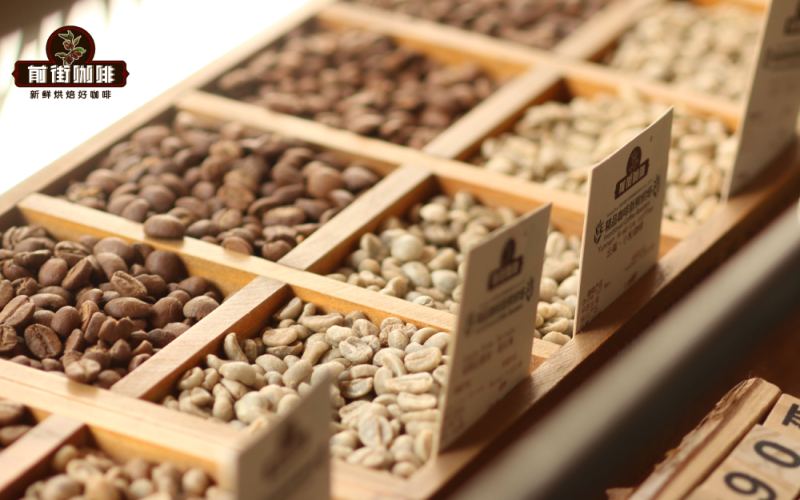
We all know that different processing methods can give coffee a rich and varied flavor profile. For example, Front Street Coffee's bean list alone features dozens of varieties, covering more than ten different processing methods. Today, Front Street will focus specifically on wet-hulled, semi-washed, and pulped natural [more…]
A Complete Guide to Brazil's Pulped Natural Process: Pectin Retention, Flavor Characteristics, and Its Connection to Honey Processing
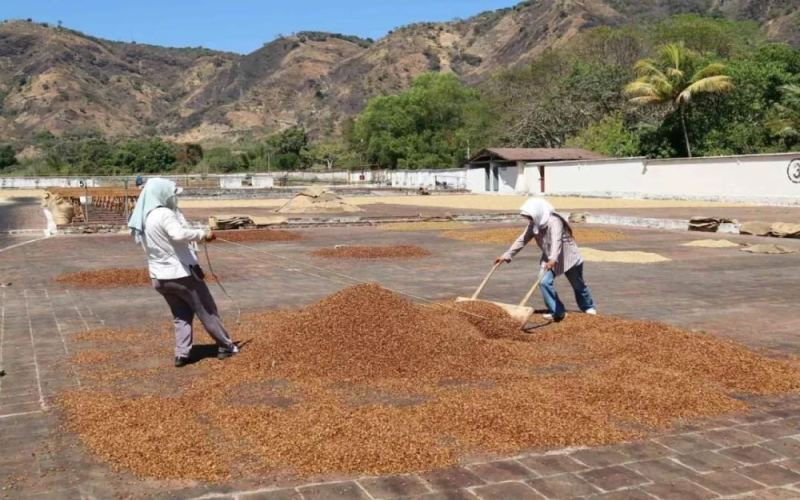
Among the three major coffee processing methods, natural and washed are easy to understand, but pulped natural (also known as semi-washed) often confuses people. This processing method was born in Brazil in 1990, and its proper name should be Pulped Natural, that is, the pulp natural method. It retains the step of removing the peel and pulp as in the washed method, while also drawing on the sun-drying method of the natural process. Because the soaking time is short, part of the pectin is retained, thereby saving water, shortening the drying cycle, and reducing the risk of infection. This article will explain in detail its background, processing flow, and flavor performance, and trace its origins with Costa Rican honey processing, while also introducing the specific information of a pulped natural Brazilian Red Bourbon from Front Street Coffee. [more…]
Wet-Hulled, Semi-Washed, Pulped Natural, and Honey Process: A Complete Analysis of the Flavor Differences Among Four Coffee Processing Methods
Following our previous discussion of the two major processing methods—natural and washed—this time we turn our attention to several post-harvest processes that fall between them: wet-hulled, semi-washed, pulped natural, and honey processing. How is each of these methods carried out? And what impact do they have on coffee flavor? We'll still start with the structure of the coffee cherry: from the outside in, the fruit consists of the outer skin, pulp, mucilage, parchment layer, silver skin, and the coffee bean seed itself. The core goal of all processing methods is simply to remove the outer layers and extract the seed. However, differences in the method, timing, and degree of removal lead to vastly different results in the cup. This article will break down these processing methods one by one—their procedural details, flavor tendencies, and the subtle connections between them—to help coffee enthusiasts more clearly understand the key role processing plays in shaping flavor. [more…]
Brazil Minas Coffee Region: A Complete Guide to Pulped Natural Processing, Flavor Profile, and Variety Characteristics
Coffee produced in Brazil's Minas region has now become synonymous with the country's specialty beans. Local research institutions, responding to the relatively dry climate, developed the semi-washed process, which shortens the processing cycle while retaining the sweetness-enhancing advantages of the natural process, and at the same time avoids the unpleasant earthy flavors, making the fruity notes and sweetness more prominent. Coffee from farms around the Minas highlands ranks among the top in quality among Brazilian beans and also has the most considerable output. In recent years, coffee competitions have been subdivided by processing method, giving rise to a variety of flavor profiles, among which semi-washed and natural stand out especially. Front Street Coffee Minas Brazil is fresh and gentle on the palate, with a dry aroma carrying notes of citrus and fruit tea, a wet aroma with the fresh fragrance of black tea, a mouthfeel showing the elegant tonality of jasmine and herbal tea, and a finish like rich, full-bodied oolong tea, making it a rare and stunning work among Brazilian beans. [more…]
Analysis of the Brazilian Pulped Natural Process: A Guide to South Minas Coffee Varieties, Flavor Profile, and Grind Settings
Brazil, as a major producing country on the global coffee map, is arguably second only to Ethiopia in the diversity of its processing methods. Among them, the South Minas region, with its inclusiveness in running semi-washed, natural, and washed processes in parallel, has become the core producing area for Brazilian specialty coffee. This article focuses on Front Street Brazil South Minas coffee beans, systematically reviewing the technical characteristics and flavor advantages of the semi-washed method, and extending to the processing preferences of regions such as Cerrado and the hilly lands of North-Central Minas, while also analyzing the lineage and cup profile of Santos and Bourbon varieties, giving you a comprehensive understanding of this bean's variety, processing method, and grinding setting choices. [more…]
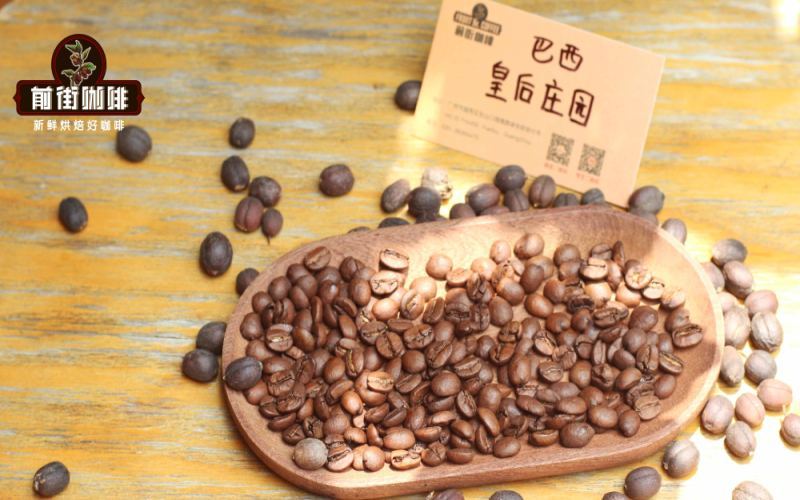
Brazil Queen Estate Yellow Bourbon Semi-Washed Beans: A Complete Analysis of COE Champion Origin Flavor and Roasting & Brewing
Located in the Mogiana region of Minas Gerais, Brazil, Fazenda Rainha won the Brazilian Cup of Excellence in 2011. The estate sits in the ancient volcanic valley of Vale da Grama at an elevation of about 1,400 meters, and all coffee is harvested by hand. This article focuses on Front Street Coffee's Brazil Queen Estate Pulped Natural Yellow Bourbon coffee, covering the estate's background, the variety's origins, the pulped natural processing method, green bean characteristics, and roasting strategy, showing how this bean, with its high density and low moisture content, achieves a cup profile of cream, nuts, roasted peanuts, and sugarcane sweetness through adjustments to the heat curve. [more…]
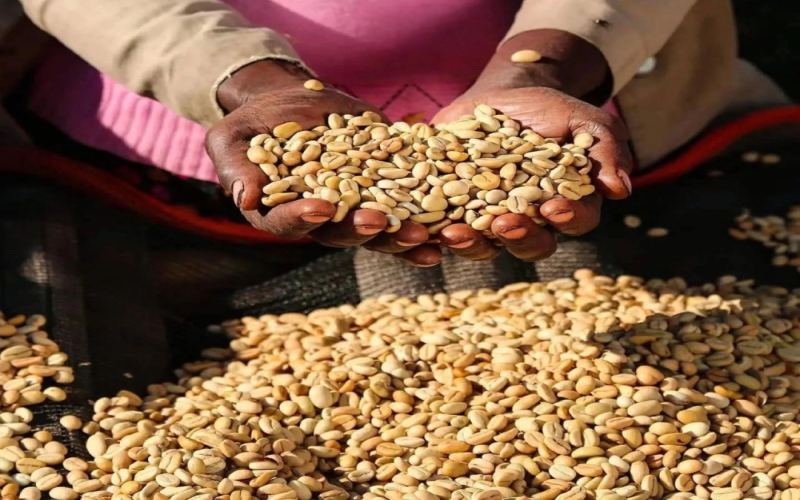
How Does the Semi-Washed Method Differ from the Natural, Washed, and Honey Methods? An Analysis of the Flavor and Mouthfeel Characteristics of Semi-Washed Coffee
The processing method of green coffee beans directly determines the final flavor expression in the cup. Natural, washed, honey, and semi-dry processes each have their own unique craft logic and flavor direction. This article systematically sorts out the core differences among the three major categories of processing methods, provides an in-depth analysis of the origins, key operational points, and flavor characteristics of the semi-dry method (including pulped natural and honey processing), and, combined with Front Street Coffee's cupping experience, helps coffee enthusiasts understand the impact of different processing methods on coffee taste, offering a reference for daily bean selection and tasting. [more…]
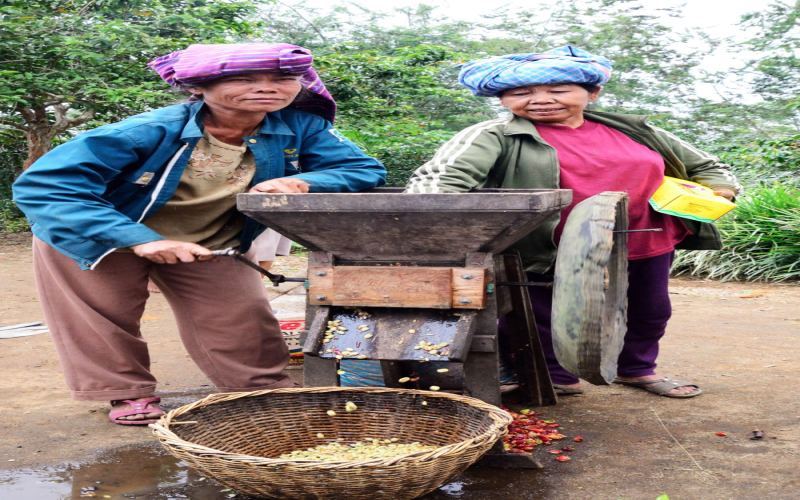
Analysis of Indonesia's Wet-Hulling Method: Comparing Peeled Sun-Dried and Honey Processing Techniques and Flavors
The green coffee bean processing method has a decisive influence on the final flavor. In addition to variety and origin, the processing method is also a key link in shaping coffee's personality. Currently, the mainstream methods include natural, washed, and the in-between semi-washed (wet-hulled), Brazilian pulped natural, and honey processing, among others. This article will provide a detailed explanation of three processes: Indonesian wet-hulled, pulped natural, and honey processing, covering their respective operational steps, flavor characteristics, roasting recommendations, and brewing parameters, and will combine bean examples from Front Street Coffee for cupping comparisons, helping readers systematically understand the taste differences brought by different processing methods. [more…]
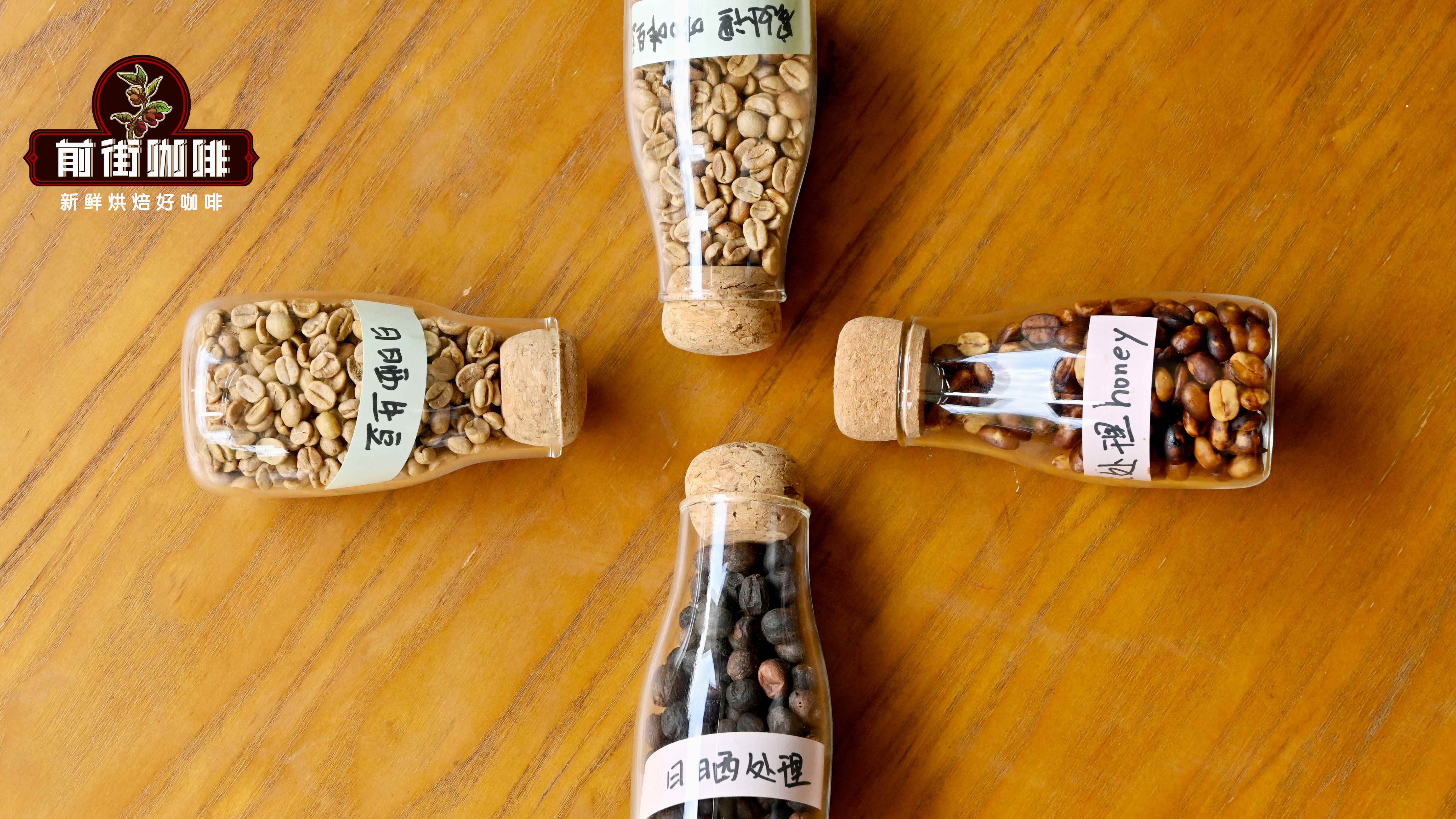
Wet-Hulled, Pulped Natural, and Honey Processing: An In-Depth Analysis of Three Major Green Coffee Processing Methods
Coffee processing methods determine the flavor direction of green beans. Besides the common natural and washed methods, there are three processing methods that fall in between: Indonesian wet-hulled, Brazilian pulped natural, and Central American honey. Each was born in response to the climate and water resource conditions of its origin, and they present distinctly different expressions in acidity, sweetness, and body. This article will break down the principles and processes of these three processing methods one by one, and, in combination with specific beans such as Front Street Golden Mandheling, Front Street West Java Arumanis Estate, and Front Street Costa Rica Sumava Estate Black Honey Caturra, explain how processing methods shape the flavor in the cup. Finally, a complete comparison of acidity, sweetness, production risk, equipment cost, and water usage is attached. [more…]
Red Bourbon Coffee Beans from the South Minas Region of Brazil: Flavor Characteristics and Brewing Suggestions for the Pulped Natural Process
Brazil, as the world's largest coffee producer, is known for the red bourbon coffee beans from its South Minas region, which feature nutty and chocolatey notes with a low-acid, full-bodied taste. In Front Street Coffee's daily drink series, this Brazilian red bourbon is processed using the semi-washed method, presenting a rich flavor profile of nuts, chocolate, cream, peanuts, and caramel. This article will introduce the terroir conditions of the South Minas region, the characteristics of the red bourbon variety, the processing features of the semi-washed method, as well as Front Street Coffee's roasting analysis and brewing suggestions, helping coffee enthusiasts gain a comprehensive understanding of the charm of this classic Brazilian coffee. [more…]
Brazilian Single-Origin Coffee Bean Recommendations: Analysis of the Pulped Natural Process, Flavor Characteristics, and Pour-Over Parameters
Brazil is the world's largest coffee-producing country, but due to its relatively low altitude and flat terrain, not many beans truly make it into the ranks of specialty single-origin coffees. Brazilian estates have adapted to local conditions, cultivating improved Arabica varieties that do not require high-altitude shade, and developing a distinctive semi-washed processing method. This article focuses on the growing conditions of Brazilian coffee regions, the complete semi-washed process and its advantages and disadvantages, and also introduces two Brazilian single-origin beans brought in by Front Street Coffee—Cerrado Red Bourbon and Queen's Farm Yellow Bourbon—along with the corresponding pour-over brewing parameters, helping coffee enthusiasts gain a comprehensive understanding of the flavor profile of Brazilian semi-washed coffee. [more…]
A Complete Guide to Brazil Cerrado Coffee: Flavor Analysis, Red Bourbon Roasting, and Brewing Log
Brazil, as the world's largest coffee producer, has fluctuations in any of its regions that ripple through the international coffee market. Among the many producing regions, the Cerrado in the central-west of Minas state, with its fertile soil and distinct wet and dry seasons, nurtures the "soft bean" flavor profile known for low acidity, nutty and chocolate sweetness, and full-bodied balance. The Brazil Cerrado Red Bourbon from Front Street Coffee's daily drinker series is a classic representation of this style—interweaving roasted nuts, chocolate, cream, and caramel, it suits those who dislike acidity and prefer a rounded mouthfeel. This article will systematically cover the terroir conditions of the Cerrado region, Brazil's coffee taste classification and main producing regions, and provide a complete record of Front Street Coffee's medium roast profile for this Red Bourbon, along with the Kono dripper segmented brewing method. Finally, it will explain in detail the process differences among Brazil's four processing methods—natural dry process, pulped, semi-washed, and washed—helping coffee enthusiasts fully understand the flavor logic of Brazilian coffee from origin to cup. [more…]
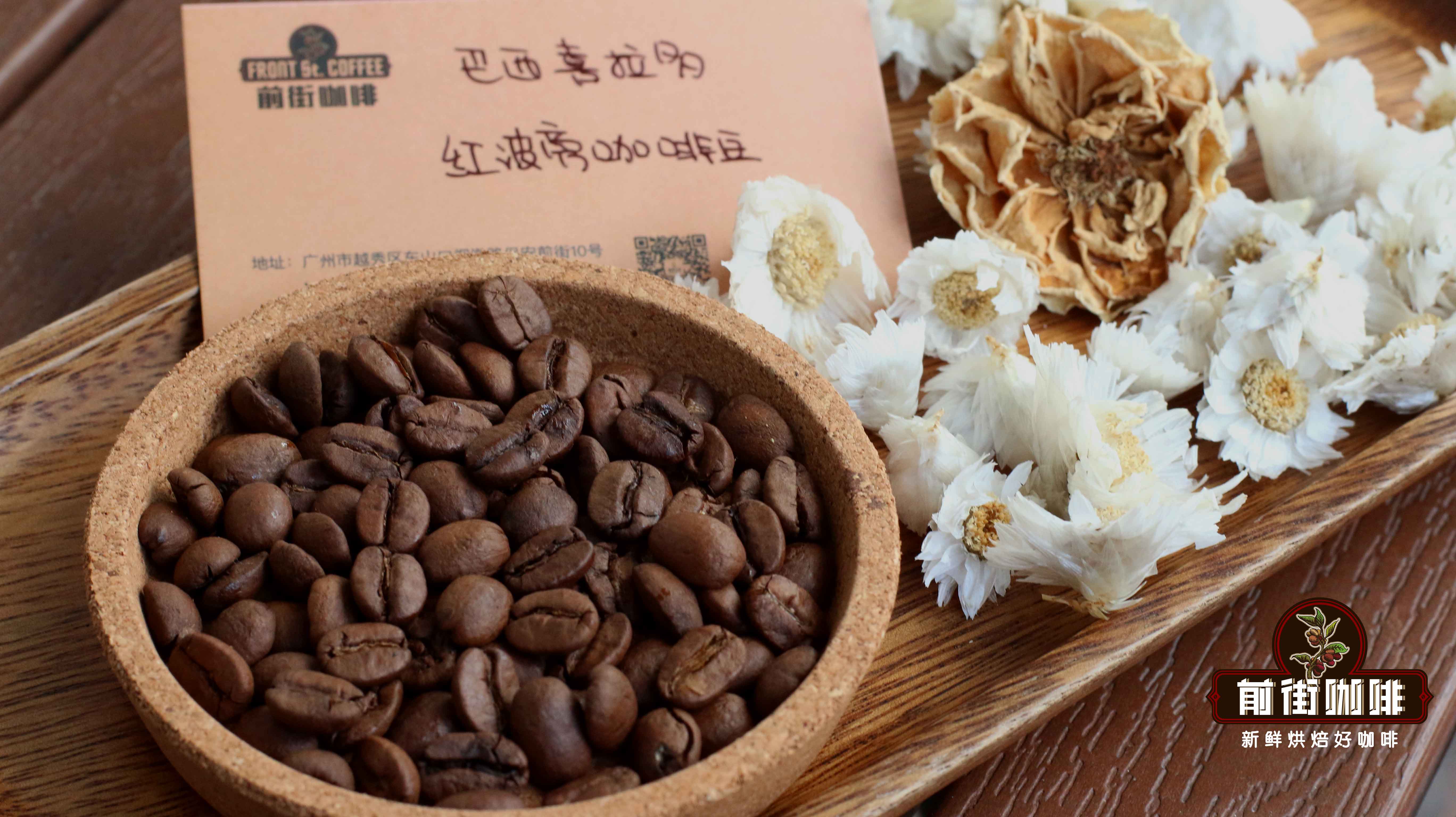
Analysis of Brazil Natural Low-Acid Coffee Flavors: From Cultivation History to Bourbon Variety and Pulped Natural Processing
Brazil, as the world's largest producer of Arabica coffee, is known for its coffee's low-acid, full-bodied flavor profile. Front Street Coffee currently offers two Brazilian coffee beans—Red Bourbon and Queen Estate Yellow Bourbon—both roasted to a medium-dark level to highlight nutty, chocolatey, and creamy smoothness. This article reviews the history of coffee cultivation in Brazil, explains the flavor differences between Red Bourbon and Yellow Bourbon, and introduces Brazil's unique semi-washed processing method, helping coffee enthusiasts understand the cupping performance and brewing key points of low-acid coffee. [more…]
Analysis of the Flavor and Semi-Washed Processing Method of Brazil Cerrado Queen Estate Bourbon Coffee Beans
The Cerrado region is a representative origin of Brazilian specialty coffee, and its Bourbon variety beans are known for their nutty sweetness, low acidity, and soft body. This article will guide you through the terroir conditions of the Cerrado region, the process details of the pulped natural method, and the flavor profiles of the Red Bourbon and Yellow Bourbon varieties. Meanwhile, Front Street Coffee's Brazil everyday drinking coffee and Queen's Farm coffee beans use Red Bourbon and Yellow Bourbon respectively, presenting the classic Brazilian flavors of chocolatey richness and sugarcane-like sweetness through medium-dark roasting, and pour-over parameters are also included for reference. [more…]
Brazil Queen's Farm Pulped Natural Coffee Bean Flavor Analysis and Full Guide to Pour-Over Parameters
On Front Street Coffee's bean list, the semi-washed coffee beans from Brazil's Queen Farm have consistently enjoyed a high click-through rate. This bean stands out for its sweetness, and although its acidity is not as bright as that of Kenyan or Ethiopian beans, it is a quintessential representative of Brazilian coffee. This article will explore the background of Queen Farm, Brazil's coffee-growing terrain and varieties, the unique features of the semi-washed processing method, as well as Front Street's cupping and three-stage brewing details for this bean, giving you a comprehensive understanding of why this bean is worth listing and why it presents notes of nuts, lemon, dark chocolate, and a rounded sweetness. [more…]
A Complete Guide to Brazilian Coffee Regions: Bourbon Variety Characteristics, Pulped Natural Processing, and Flavor Profile Guide
Brazil firmly holds the top spot in global coffee production, and its low-acid, full-bodied flavor profile has a large following in the coffee world. In Front Street Coffee's product line, from Queen Estate single-origin beans to the high-value everyday beans series, and to the seasonal drip coffee bags, Brazilian coffee can be seen throughout. This article will start from the introduction history and geographical conditions of Brazilian coffee, systematically sort out the classification and characteristics of the Bourbon variety, the process and pros and cons of the pulped natural method, and Brazil's coffee bean grading system, and attach the roasting, cupping, and brewing parameters of Front Street Brazil Queen Estate coffee, providing coffee lovers with a complete knowledge map of Brazilian coffee. [more…]
Brazil Pulped Natural Bourbon Pour-Over Parameters Explained: A Comprehensive Analysis from Variety Characteristics to Brewing Methods
The Brazilian Bourbon variety is one of the most iconic varieties in the coffee world; its low acidity, balance, and pronounced sweetness make it a high-quality base bean for espresso blends. Starting from the botanical characteristics of the Bourbon variety, this article compares it with the Catuai variety and takes an in-depth look at the terroir conditions of Brazil's three major specialty coffee regions. Using Front Street Coffee's Brazilian semi-washed Bourbon as an example, it also provides a complete pour-over recipe of 15 grams of grounds, 88-89°C water temperature, and a 1:15 coffee-to-water ratio, helping coffee lovers recreate at home a cup of full-bodied Brazilian specialty coffee with notes of dark chocolate and toasted sunflower seeds. [more…]
Brazil Queen's Farm Yellow Bourbon Flavor Analysis and Pour-Over Techniques: Nutty Chocolate Sweetness Under the Semi-Washed Process
Yellow Bourbon is a highly representative variety in Brazilian specialty coffee, and Fazenda Rainha, with its multiple award-winning records in COE competitions, has become the benchmark origin for this variety. This article focuses on the naturally processed Yellow Bourbon from Fazenda Rainha selected by Front Street Coffee, providing a systematic interpretation from estate background, variety characteristics, green bean analysis, roasting approach, to cupping and pour-over parameters. This bean is characterized by low acidity, high sweetness, intertwined nutty and chocolate flavors, moderate body, and a lasting finish, making it particularly suitable for coffee lovers who prefer a balanced taste and sweet flavors. The article also provides a complete pour-over extraction plan to help readers reproduce its sugarcane sweetness and tropical fruit aroma at home. [more…]